

Electrical safety is a vital matter for homeowners and individuals who deals with power systems. Many people fail to recognize the potential hazards that come with improper wiring or faulty devices, but the fact is that a deficiency of understanding can lead to hazardous circumstances, including fires and serious injuries. This piece aims to illuminate crucial electrical safety guidelines and standards that all homeowner should be mindful of, helping you make informed decisions about your home electrical infrastructure.
From grasping the importance of wiring codes to knowing when to call a qualified electrician, we will explore various topics that reveal the alarming reality about electrical safety. We will delve into troubleshooting common household electrical issues like circuit breaker trips and blinking lights, as well as review the essential role of circuit interrupting devices in stopping mishaps. Whether looking to set up fresh outlets or upgrade old wiring systems, following safety protocols can guarantee a secure and functional electrical arrangement in your residence.
Home Wiring Regulations and Safety Standards
Understanding residential wiring codes and safety standards is vital for securing the safety and functionality of electrical systems in homes. These codes are established by federal and local regulatory bodies to safeguard residents from power hazards. The National Electrical Code (NEC) serves as the groundwork for many residential wiring regulations, delivering instructions on numerous aspects of electrical installations. Acquainting oneself with these codes can help stop electrical fires, shocks, and other hazardous situations that can arise from improper wiring.
Compliance with these standards not only encourages safety but also boosts the reliability and efficiency of electronic systems. Electricians must be knowledgeable in the current code updates to make sure that all installations comply to up-to-date safety protocols. This expertise is important when evaluating wiring systems, as antiquated wiring can pose substantial risks. Additionally, understanding these codes equips electricians to make informed decisions about the materials and practices employed during installations or repairs.
Homeowners should also be aware of local modifications to the NEC that may pertain to their particular region. Local codes may have additional requirements adapted to the unique geographic and climatic conditions. Regular inspections and updates to wiring based on these codes help preserve a safe living environment, ensuring that all electrical work, from new installations to repairs, satisfies necessary safety standards and operates effectively over time.
Fixing Electrical Issues
While addressing frequent electrical problems around the house, the first action is determining the fault's source. One common problem property owners encounter is popped circuit breakers. This commonly occurs when a electrical circuit is overloaded, leading the circuit breaker to disconnect to prevent excessive heat. When you find yourself constantly resetting a circuit breaker, it may indicate that too many devices are drawing power from the same circuit. Assess electrical rewires eastbourne on that circuit and balance the load if necessary. Note that, continuous tripping could hint at an underlying issue that needs professional attention.
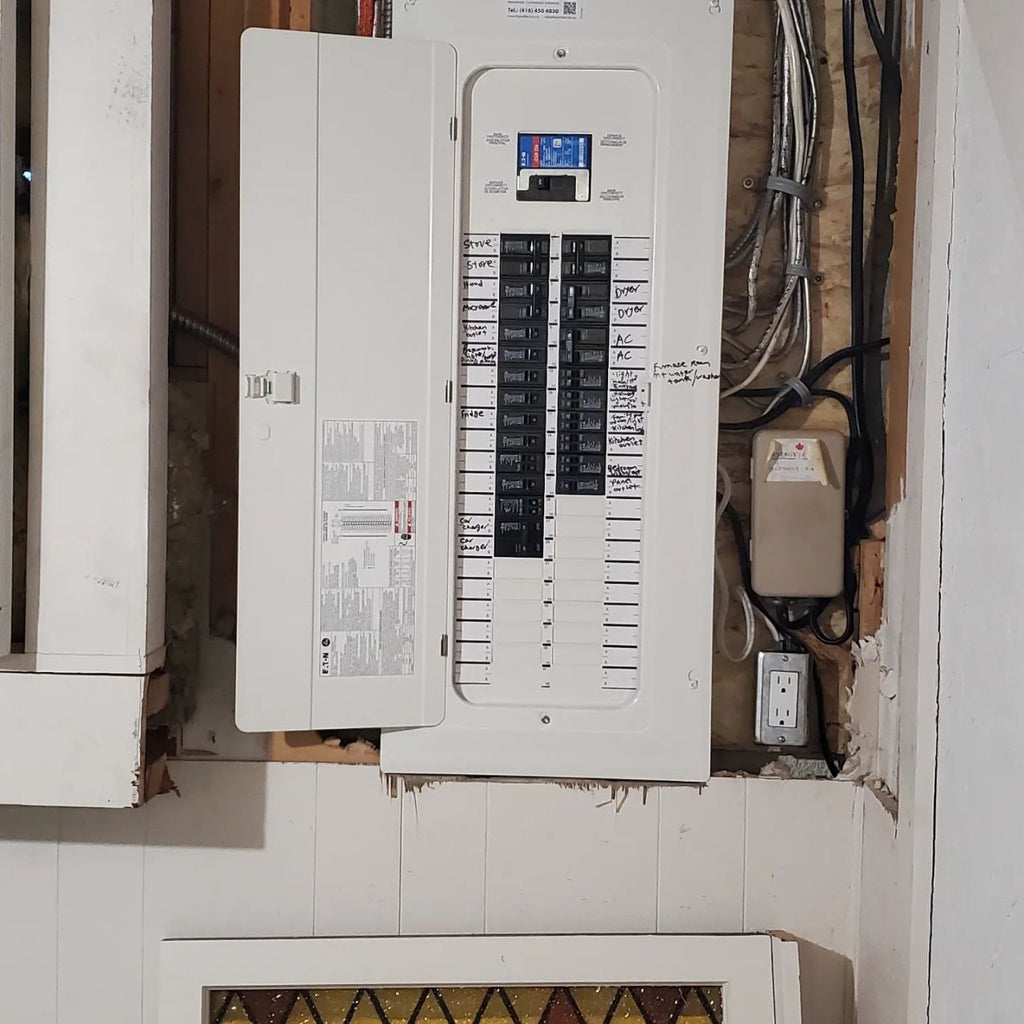
A different typical issue pertains to flickering lighting. This can signal a faulty connection or an overload on the electrical circuit. First, checking if the lights flicker only with specific machines or in specific areas of your residence. If this occurs when power-hungry appliances are working, consider replacing the wiring or adjusting your wiring. It’s crucial to examine all light fixtures and connections to make sure they're secure, as damaged connections can lead to greater problems, which may involve fires.
Lastly, when fixing low voltage wiring for security setups, make sure that the conductors are not damaged, and all connections are secure. Such systems may not trip the circuit breakers, but they can still exhibit problems if there is a problem with the wiring. Inspect the main power connection, wiring connections, and any visible wiring for issues. If you experience intermittent outages or a total outage, it could be due to a fault in the wiring or a malfunction in the main panel. For complicated matters, it’s wise to contact a licensed electrician who can evaluate and fix the situation correctly.
Top Recommendations for Safe Installations
While setting up electrical components, it is vital to comply with community residential electrical regulations and security standards. This makes sure that all installations are not only legitimate but also lessen the likelihood of electrical hazards. Before starting any task, acquaint yourself with the National Electrical Code (NEC) and any specific regulations that may apply. This understanding will guide you in picking the right materials and methods for your particular project, significantly enhancing safety.
Appropriate installation techniques play a crucial role in ensuring electrical safety. This includes making sure that all connections are solid, using the suitable gauge wire for different circuits, and installing GFCIs in necessary spots like bathrooms and outside areas. Always adhere to manufacturer directions for appliances and check wiring diagrams when uncertain. Investing the time to review your work can avoid potential upcoming issues, such as triggered breakers or blinking lights.
Lastly, establish a protected work environment during doing installations. Use tools specifically made for electrical work, wear appropriate personal protective equipment, and maintain a clutter-free workspace. Moreover, if you encounter complex issues such as upgrading outdated knob-and-tube wiring or creating circuits for contemporary technology, it is prudent to seek advice from a licensed electrician. Understanding when to request professional help is a key aspect of guaranteeing lasting safety in your domestic electrical setups.