

Regarding upkeeping the appearance and functionality of outdoor spaces, paver cleaning frequently becomes a sphere of myths and misconceptions. Many homeowners think they can handle the responsibility with minimal knowledge, only to end up dissatisfied with the effects. Realizing the truth about paver cleaning is essential for achieving long-lasting effects and making sure that your outdoor areas continue to be colorful and safe.
Starting with noticing the clues that your brick pavers need expert care to exploring the optimal approaches for tackling tough blemishes, this article seeks to uncover common paver cleaning fallacies. We will explore efficient strategies for cleaning and sealing pavers, highlight the hazards of ignoring, and elucidate when it's time to contact an professional. Whether seeking to maintain your asset or just wish to boost your property's exterior attractiveness, knowing what really works in paver cleaning will guide you in making the best decisions for your home.
Signs Your Pavers Require Professional Cleaning
One of the most apparent signs that your pavers require expert cleaning is the presence of significant stains. Oil, and other substances can permeate the surface of brick pavers, leading to unsightly discoloration. If you see persistent stains that do not lift with regular cleaning products, it may be time to call in the experts who have the right tools and techniques to restore your pavers to their former condition.
A further signal that the pavers require expert attention is the buildup of mold and algae. Such organisms thrive in humid environments and can create unsafe slip hazards while also damaging the integrity of your paver surfaces. If you see green or black patches forming on the patio or driveway, it's crucial to address this issue immediately to prevent it from spreading and causing further problems.
Finally, if you observe that weeds are starting to sprout between the pavers, it can indicate the need for deep cleaning and re-sanding. Weeds often emerge due to gaps in the sand joints or weak base material. take a look at the site here will not only clean the pavers but also effectively restore and reseal the joints with polymeric sand, which helps stop weed regrowth and maintains the outdoor space looking immaculate.
Crucial Brick Paver Maintenance Tips
To maintain your pavers in optimal form, consistent maintenance is essential. It's advisable to wash your paving stones at least a minimum of once a year to eliminate soil, algae, and fungus. This not only keeps them looking fresh but also avoids durable damage. A comprehensive wash with environmentally-friendly detergents will support safeguard your adjacent plants and the natural surroundings, ensuring that your yard remains vibrant and usable for activities.
A further key tip is to examine the spaces between your pavers. Over periods, spaces can develop, allowing weeds to grow and weakening your pavers. You might want to putting down polymeric sand to close these gaps after cleaning, as it hardens and aids preventing the growth of weeds while also locking the tiles together. Consistent upkeep of the sand in the joints is necessary, especially after significant rains, which can erode unsealed sand and leave your pavers exposed.
To wrap up, be mindful about the techniques you use for cleaning. High-pressure washing can ruin the finish of your paving stones if not done correctly. Utilizing a pressure washer with a turbo nozzle may seem effective, but it can remove sealants and create surface erosion. Always adhere to the creator's recommendations for your brick pavers and might consult speaking with a nearby paver professional if you're unsure about the best methods for your particular type of pavers. This method will ensure durability and visual charm in your patios.
Typical Paver Cleaning Errors to Steer Clear Of
A common common error householders commit while cleaning paving stones is using the wrong kind of cleaner. Most people assume that all cleaning products are fine for outdoor areas, but certain can be too harsh and injure the stones or their sealant. It's important to pick eco-friendly detergents specifically formulated for paver cleaning. These products efficiently eliminate dirt and spots without harming the paver surface or nearby vegetation.
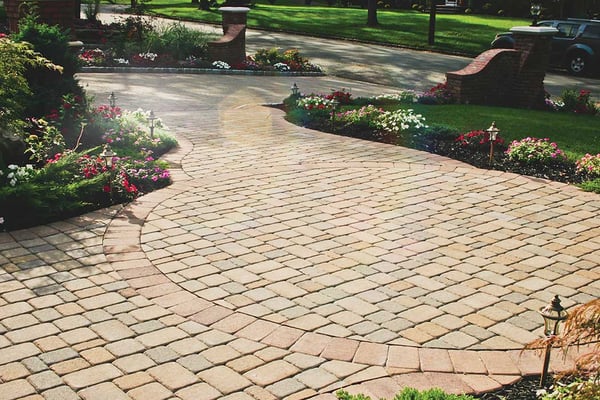
Another misstep is misjudging the significance of proper pressure adjustments on pressure washers. Householders often spray their stones with excessive pressure, thinking it will provide a more effective clean. Nevertheless, using high-pressure turbo nozzles can weaken the paver structure and even erode the joints between them. It's vital to use lower pressure settings and the correct attachment to ensure safe cleaning without risking damage to your stones.
In conclusion, failing to seal the pavers after washing can lead to a slippery and stained surface. Most householders wash their pavers only to leave them unprotected against future stains, mildew, and weeds. Sealing your pavers does not just enhance their color and appearance but also provides a defensive layer that helps maintain the structure and longevity of the stones. Be sure to combine this with applying sealant to ensure your efforts is worthwhile for a long time to follow.