

In a society dealing with global warming, demographic expansion, and worsening dry spells, securing dependable access to water and vital elements has never been more crucial. Borehole drilling is hailed as a forward-thinking approach to ensuring a steady supply of water, especially when surface sources become untrustworthy. This thorough exploration of the earth allows individuals and communities to access aquifers and geological formations, offering a long-term strategy that extends further than mere convenience.
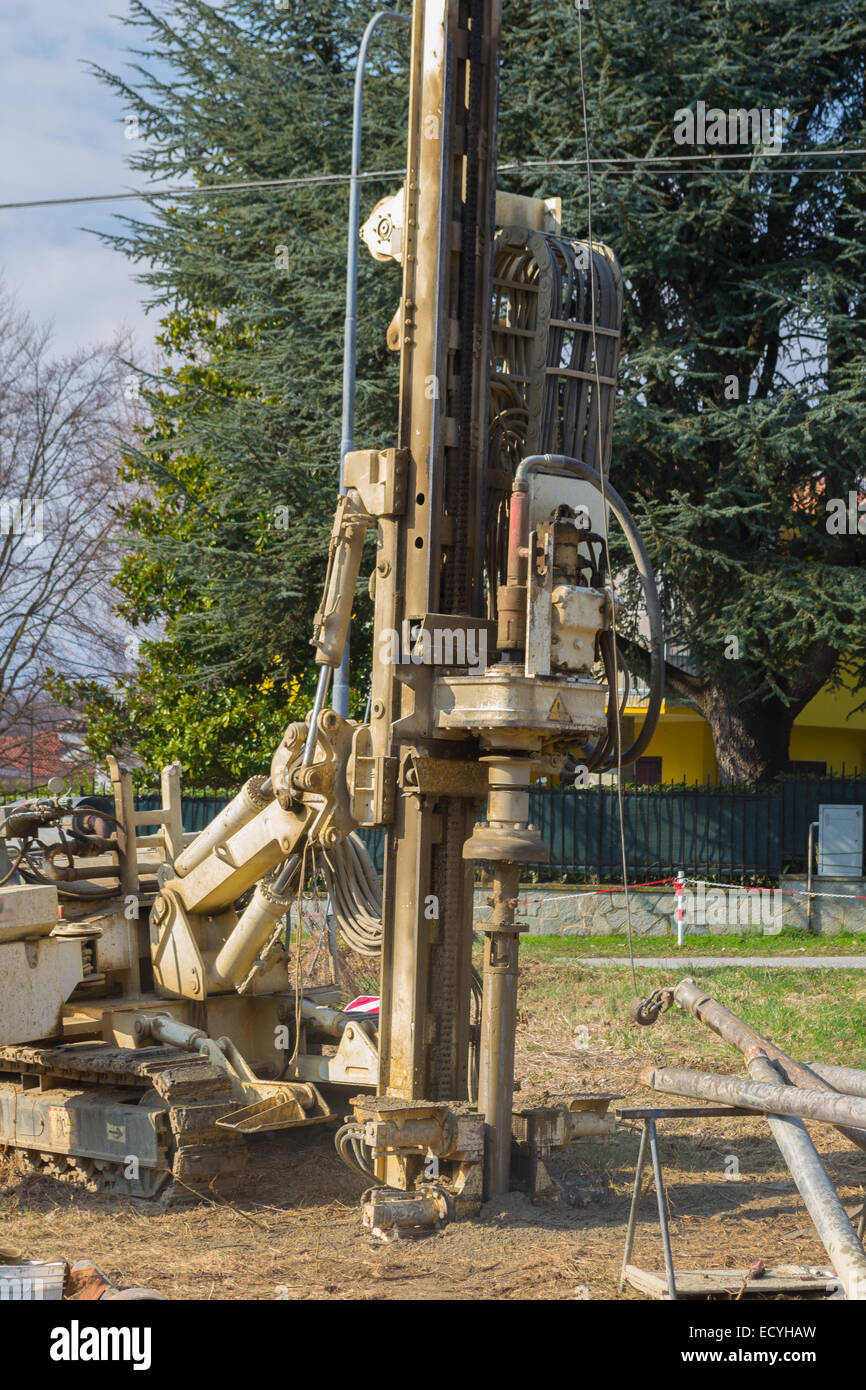
As we examine the complexities of borehole drilling, we uncover its multifaceted advantages, from adaptation to climate changes to the capability for farming and commercial applications. Whether you are considering drilling for drinking water, farm animals, or even geo-energy potential, grasping the drilling process, optimal placement, and necessary safety checks is essential. This comprehensive guide will equip you with important insights into how borehole drilling can not just safeguard your water supply but also enhance your overall resilience in an increasingly unpredictable setting.
Understanding Well Drilling
Drilling boreholes is the process of creating shallow, deep boreholes that access underground water or mineral resources. In contrast to traditional wells, which generally rely on surface sources, boreholes access deeper aquifers, offering a more reliable source of water in many regions. As boreholes north wales warming puts heightened pressure on surface water supplies, borehole drilling emerges as a essential method for obtaining essential resources, ensuring that households, agriculture, and industries can persist to thrive despite fluctuating environmental conditions.
The drilling process itself includes several steps, starting with site assessment and organization. This includes geological surveys to determine the ideal location and depth for drilling, which is vital for maximizing the yield of water and quality. Once a location is chosen, specific drilling tools, including various drill bits designed for varied geological formations, is utilized to penetrate the ground. This technology plays a important role in determining both the productivity of the drilling process and the overall success of the borehole in accessing underground assets.
After drilling, the stability of the borehole must be maintained through casing, which prevents caving walls and contamination. Properly constructed boreholes can provide fresh water for potable use, irrigation, and industrial use, while also needing ongoing care and testing to ensure quality and sustainability. By understanding the principles of borehole drilling, landowners and stakeholders can make informed decisions that resolve water security and resource management effectively.
Preparing and Budgeting for Boreholes
When evaluating borehole construction, efficient planning and budgeting are essential to securing a positive outcome. Start by assessing your water needs, the potential site, and the geological conditions of the area. Carrying out a Quaternary survey or consultation with a hydrogeologist can provide valuable information into the underground aquifer sources available and the best drilling techniques to use. This pre-drilling research lays the groundwork for a smooth process and can help avoid unforeseen issues.
Next, it's important to set a budget that includes not just the initial drilling costs but also ongoing maintenance, testing, and possible purification of water. A complete budget should account for permits and documentation, which are often necessary before drilling can begin. Remember to factor in costs for materials, equipment, and labor, as these can vary significantly based on the depth of the borehole and the specific drilling method selected, be it casing or shallow well.
Finally, evaluate potential return on investment, especially if the borehole will serve various purposes such as irrigation for agriculture, livestock drinking, or supporting industrial needs. Assessing the long-term benefits of having a reliable water source can justify the upfront expenses and enhance your property’s value. Planning and budgeting properly ensures that you are ready for both the obstacles and rewards of borehole drilling, paving the way for sustainable water access.
Guaranteeing Water Quality and Sustainability
Keeping water quality is essential for any borehole owner. Testing for pollutants such as heavy metals and nitrate levels should be a high priority after drilling and from time to time thereafter. Routine water testing provides confidence that the water is safe for drinking and various applications. It is equally important to keep an eye on any changes in taste, odor, or color, as these can indicate potential issues. Updated testing ensures any pollutants are detected promptly, allowing for timely remediation.
Long-term sustainability goes further than merely having water availability; it involves understanding and managing the aquifer from which the borehole draws. Implementing replenishment systems can play a crucial role in ensuring that the water table remains sustainable over time. Monitoring flow rates and water levels will help determine whether the borehole is extracting water at a sustainable rate or if changes are necessary to prevent over-extraction, which can lead to depletion of local water resources.
Lastly, the materials used in borehole construction significantly affect its longevity and the quality of water extracted. Choosing durable and non-reactive materials ensures that the well can endure the test of time without jeopardizing water purity. Effective casing prevents surface contaminants from polluting the water supply while also providing support to the borehole, which is important for ongoing sustainability and reliability. Investing on quality construction and maintenance will yield enduring benefits, not just for your present demands, but for future generations as well.